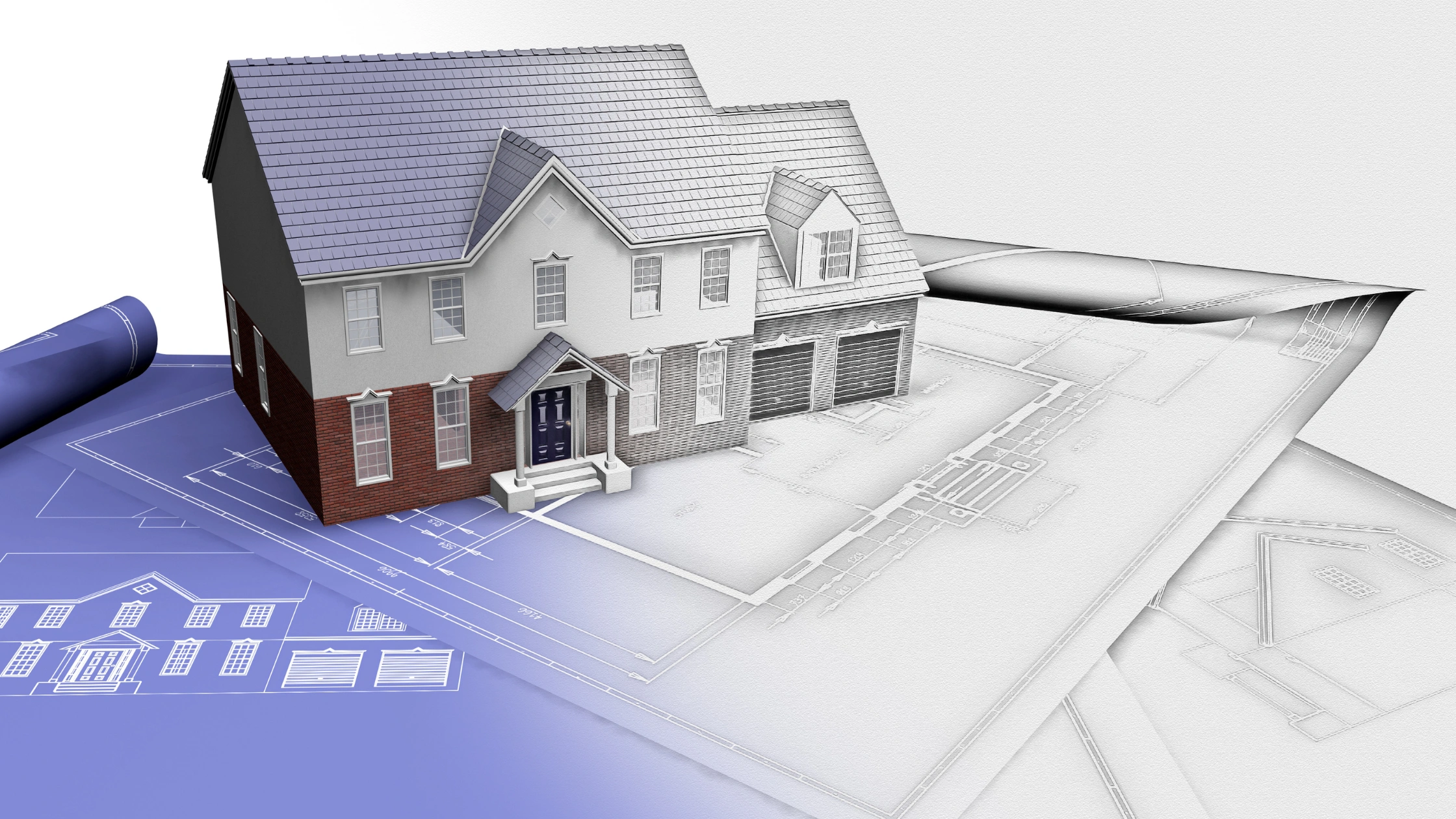
Visualizing a building before it is constructed plays a major role in successful project planning. In a fast-growing city like Bangalore, where design expectations are high, 3D architectural design helps bring ideas to life with clarity and confidence. With advanced visualization techniques, Stonespire Architects focuses on turning concepts into detailed digital models that clearly represent the final outcome.
3D design bridges the gap between imagination and reality by allowing clients to visualize how spaces will look, feel, and function rather than relying only on drawings. This approach reduces uncertainty and supports better decision-making throughout the design process. Stonespire Architects, a trusted architecture design company bangalore, uses 3D design to help clients gain clarity and confidence at every stage of their project.
Understanding 3D Architectural Design
3D architectural design is the process of creating three-dimensional digital models of buildings before construction begins. These models show realistic views of interiors, exteriors, materials, lighting, and spatial relationships.
Unlike traditional 2D drawings, 3D designs allow:
- Better understanding of proportions
- Clear visualization of layouts
- Realistic representation of materials
- Improved communication between stakeholders
This makes planning more efficient and transparent.
Why 3D Visualization Matters in Modern Architecture
Modern architecture demands precision and clarity. 3D visualization helps architects and clients align expectations early in the project.
Key benefits include:
- Reducing design misunderstandings
- Improving design accuracy
- Allowing changes before construction
- Saving time and cost
Seeing the design beforehand leads to smarter decisions and smoother execution.
3D Architectural Design in Bangalore for Accurate Project Visualization
In Bangalore, architectural projects often involve complex challenges such as compact sites, urban regulations, and modern lifestyle demands. A professional architectural design service that incorporates 3D architectural design plays a crucial role in addressing these requirements effectively by improving planning accuracy and design clarity.
Accurate visualization helps by:
- Showing how the building fits the site
- Demonstrating light and ventilation flow
- Visualizing scale and height impact
- Presenting realistic design intent
This clarity improves confidence for both designers and clients.
Enhancing Client Understanding Through 3D Models
Not all clients are comfortable interpreting technical drawings. 3D models simplify this by offering a visual story of the project.
They help clients:
- Understand room sizes and layouts
- Visualize finishes and textures
- See how spaces connect
- Feel confident about design choices
This shared understanding leads to better collaboration.
Exterior 3D Visualization for Strong First Impressions
Exterior views are often the first thing people notice. 3D exterior design showcases how a building will look from different angles.
Exterior visualization includes:
- Building form and massing
- Façade materials
- Color schemes
- Landscaping elements
This helps refine design aesthetics before finalizing construction details.
Interior 3D Design for Better Space Planning
Interior 3D designs focus on how spaces will function and feel once completed. These models help in fine-tuning layouts and design elements.
Interior visualization supports:
- Furniture placement planning
- Storage optimization
- Lighting arrangement
- Movement flow analysis
This ensures interiors are both functional and visually appealing.
Material and Finish Visualization
Choosing materials can be confusing without seeing how they work together. 3D models allow realistic previews of materials and finishes.
This helps in:
- Comparing different material options
- Understanding texture combinations
- Visualizing color balance
- Avoiding costly changes later
Accurate previews reduce guesswork.
Lighting Simulation in 3D Architectural Design
Lighting plays a major role in how a space feels. 3D design allows simulation of both natural and artificial lighting.
Lighting visualization helps with:
- Understanding daylight penetration
- Planning window placement
- Designing artificial lighting layouts
- Creating comfortable interiors
This improves overall ambiance and usability.
Supporting Better Design Decisions
When clients can see the design clearly, they can provide better feedback. 3D visualization supports informed decision-making at every stage.
It allows:
- Early detection of design issues
- Quick design modifications
- Clear approval processes
- Reduced on-site changes
This improves project efficiency.
3D Design for Residential Projects
In residential architecture, emotional connection matters. Homeowners want to feel confident about how their future home will look.
3D visualization helps by:
- Showing personalized layouts
- Visualizing lifestyle needs
- Planning interior comfort
- Understanding spatial flow
Homes feel more real even before construction begins.
3D Design for Commercial Projects
Commercial spaces require clarity in function and branding. 3D design helps stakeholders understand how the space supports business needs.
It assists with:
- Space utilization planning
- Customer movement visualization
- Functional zoning
- Professional presentation
This improves project approval and execution.
Reducing Errors Before Construction
One of the biggest advantages of 3D architectural design is error reduction. Visualizing details early helps identify potential issues.
This includes:
- Structural clashes
- Layout inconsistencies
- Scale mismatches
- Design conflicts
Resolving these digitally saves time and cost on site.
Supporting Construction Teams
3D models are not just for clients. They also help contractors and consultants understand design intent clearly.
Benefits for construction teams include:
- Clear visual reference
- Better coordination
- Reduced misinterpretation
- Improved execution accuracy
This leads to smoother construction processes.
Future-Ready Design Approach
3D architectural design allows flexibility and experimentation. Designers can test ideas without physical changes.
This supports:
- Design innovation
- Sustainable planning
- Long-term adaptability
- Efficient revisions
Future-ready design starts with strong visualization.
Choosing the Right 3D Architectural Design Partner
A good 3D design approach is not just about visuals but also about accuracy and practicality.
Key aspects to look for include:
- Attention to detail
- Realistic representations
- Design clarity
- Alignment with architectural intent
Quality visualization supports quality construction.
FAQs
- What is 3D architectural design?
It is the creation of three-dimensional digital models to visualize buildings before construction.
- How does 3D design help clients?
It allows clients to clearly see and understand the design, making decisions easier.
- Is 3D visualization useful for small projects?
Yes, it helps visualize space efficiency and avoid design errors regardless of project size.
- Can changes be made after seeing 3D designs?
Yes, changes are easier and more cost-effective at the design stage.
- Does 3D architectural design reduce construction issues?
Yes, it helps identify and resolve issues early, reducing on-site errors.
Conclusion
Accurate visualization has become an essential part of modern architecture, enabling better communication and informed decision-making. Through 3D architectural design, clients and designers can work with greater clarity, confidence, and precision. In Bangalore’s evolving architectural landscape, visual accuracy supports stronger planning and smoother project execution. Stonespire Architects, a reliable 3d architectural design company bangalore, invites you to contact now and experience how detailed 3D modeling transforms ideas into clear, build-ready concepts. By combining thoughtful planning with precise visualization, Stonespire Architects ensures every project moves forward with strong design understanding and confidence.