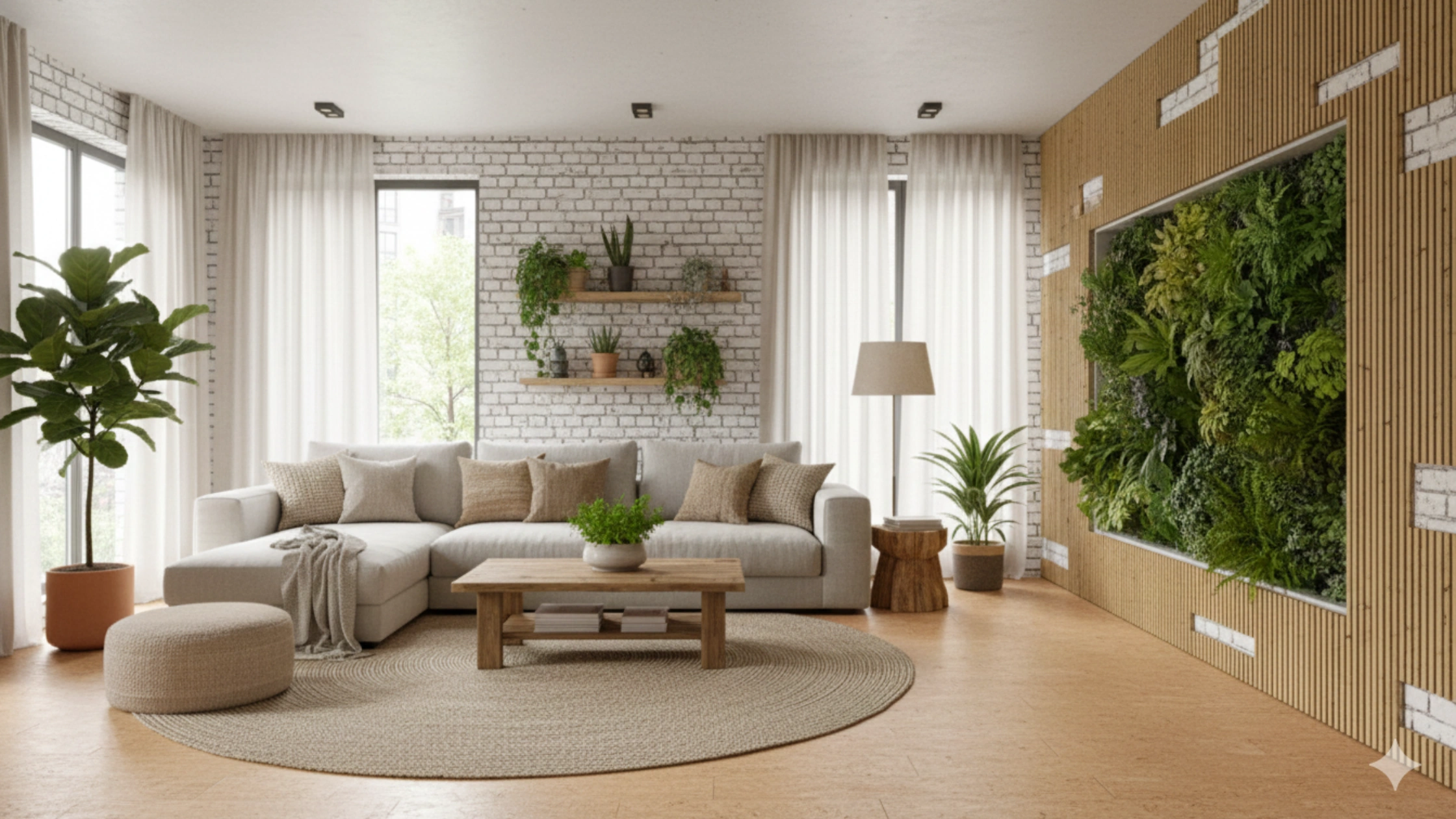
Sustainable architecture is no longer just a trend; it has become a responsibility in today’s rapidly expanding urban environments. As cities like Bangalore continue to grow, the need for eco-conscious building design has become increasingly important. Sustainable architects focus on creating buildings that reduce environmental impact while enhancing comfort and efficiency. Stonespire Architects, recognized among the Sustainable Architects in Bangalore, approaches sustainability with a balanced focus on thoughtful design, climate responsiveness, and long-term usability.
Eco-conscious buildings are designed to work with nature rather than against it. By focusing on natural resources, efficient planning, and smart material choices, Stonespire Architects supports designs that are both environmentally responsible and comfortable for everyday living.
What Is Sustainable Architecture?
Sustainable architecture is the practice of designing buildings that minimize harm to the environment while maximizing efficiency and comfort. It considers the entire lifecycle of a building, from planning and construction to long-term use.
Key principles include:
- Efficient energy use
- Responsible material selection
- Reduced waste
- Improved indoor comfort
Sustainability is about making smart choices that benefit both people and the planet.
Why Sustainability Matters in Bangalore
Bangalore faces challenges such as rising temperatures, water scarcity, and increased urban density. Sustainable design helps address these issues at the building level.
Eco-conscious architecture helps by:
- Reducing energy consumption
- Improving natural ventilation
- Managing water efficiently
- Lowering long-term maintenance needs
These benefits make sustainable buildings more practical and future-ready.
Sustainable Architects in Bangalore for Eco-Conscious Building Design
Sustainable architects play a vital role in shaping responsible buildings that respond to local climate and lifestyle needs. Their design decisions focus on efficiency, durability, and environmental balance.
This approach includes:
- Climate-responsive planning
- Smart orientation of buildings
- Integration of natural elements
- Long-term performance thinking
Eco-conscious design ensures buildings remain comfortable and efficient over time.
Designing With Climate in Mind
Understanding Bangalore’s climate is essential for sustainable design. Buildings that respond to sunlight, wind direction, and rainfall perform better naturally.
Climate-based design strategies include:
- Proper building orientation
- Shaded openings
- Natural airflow planning
- Reduced heat gain
These elements reduce dependency on artificial cooling and lighting.
Energy-Efficient Building Design
Energy efficiency is a core component of sustainable architecture. Reducing energy demand lowers environmental impact and operating costs.
Energy-conscious planning focuses on:
- Daylight optimization
- Efficient spatial layouts
- Reduced heat absorption
- Smart design solutions
Efficient buildings consume less energy while offering better comfort.
Natural Light and Ventilation
Access to natural light and fresh air improves indoor quality and reduces energy use. Sustainable architecture prioritizes these elements from the start.
Design methods include:
- Strategically placed windows
- Cross-ventilation planning
- Open-to-sky spaces
- Balanced shading
These features enhance well-being while supporting eco-friendly living.
Responsible Material Selection
Material choice plays a major role in sustainable building design. Eco-conscious architects focus on durability, performance, and environmental impact.
Material planning considers:
- Longevity and low maintenance
- Environmental footprint
- Local suitability
- Functional performance
Thoughtful material use ensures buildings age gracefully.
Water-Sensitive Design Approaches
Water conservation is critical in urban environments. Sustainable buildings are designed to use water efficiently and responsibly.
Water-conscious design includes:
- Efficient plumbing layouts
- Rainwater management planning
- Landscape water efficiency
- Reduced wastage
Smart water use supports sustainability without compromising convenience.
Integrating Green Spaces Into Design
Green elements improve both environmental quality and user experience. Sustainable architecture often integrates nature into the built environment.
This integration may include:
- Courtyards
- Landscaped terraces
- Open green pockets
- Visual connection to outdoors
Green spaces enhance comfort and environmental balance.
Waste Reduction Through Smart Planning
Sustainability also involves reducing construction and operational waste. Good planning helps minimize unnecessary resource use.
Waste reduction strategies include:
- Efficient layout planning
- Optimized material usage
- Long-lasting design solutions
- Reduced rework
Smart design leads to cleaner, more efficient construction.
Sustainable Residential Architecture
Eco-conscious homes focus on comfort, efficiency, and long-term value, and a sustainable residential architecture designing service supports healthier living environments through thoughtful planning, responsible material use, and energy-efficient design.
Benefits include:
- Lower energy bills
- Better indoor air quality
- Comfortable living spaces
- Reduced environmental impact
Sustainable homes are both practical and responsible.
Sustainable Commercial Architecture
Commercial buildings benefit greatly from sustainable design due to their scale and usage patterns.
Sustainable commercial design supports:
- Energy efficiency
- Improved occupant comfort
- Reduced operational costs
- Long-term building performance
These benefits make sustainability a smart investment.
Long-Term Value of Sustainable Design
Sustainable buildings are designed to last. They adapt better to changing needs and environmental conditions.
Long-term advantages include:
- Lower maintenance costs
- Increased usability
- Better resilience
- Future-ready performance
Eco-conscious design delivers value beyond aesthetics.
Choosing the Right Sustainable Architect
Selecting the right architect is essential for achieving meaningful sustainability, and understanding the Top Trends in Home Construction helps ensure a design approach that balances creative innovation with environmental responsibility.
Important qualities include:
- Understanding of climate-responsive design
- Practical sustainability knowledge
- Clear planning approach
- Long-term design thinking
The right guidance leads to successful sustainable outcomes.
FAQs
- What is eco-conscious building design?
It is a design approach that minimizes environmental impact while improving efficiency and comfort.
- Are sustainable buildings more expensive?
Initial planning may require thought, but long-term savings often outweigh upfront costs.
- Can sustainability be applied to small projects?
Yes, even small buildings can benefit from eco-conscious design strategies.
- Does sustainable design affect comfort?
No, it often improves comfort through better light, ventilation, and thermal performance.
- Is sustainable architecture suitable for Bangalore’s climate?
Yes, climate-responsive design is highly effective in Bangalore.
Conclusion
Eco-conscious building design is essential for creating responsible and future-ready spaces in growing cities. Sustainable architecture promotes comfort, efficiency, and environmental balance without compromising everyday usability. Stonespire Architects, recognized among the top Architects of Bangalore, invite you to Contact now and explore a design approach where sustainability is treated as an integral part of good architecture. With a strong focus on climate responsiveness, material selection, and long-term performance, Stonespire Architects continues to shape buildings that thoughtfully support both people and the environment.