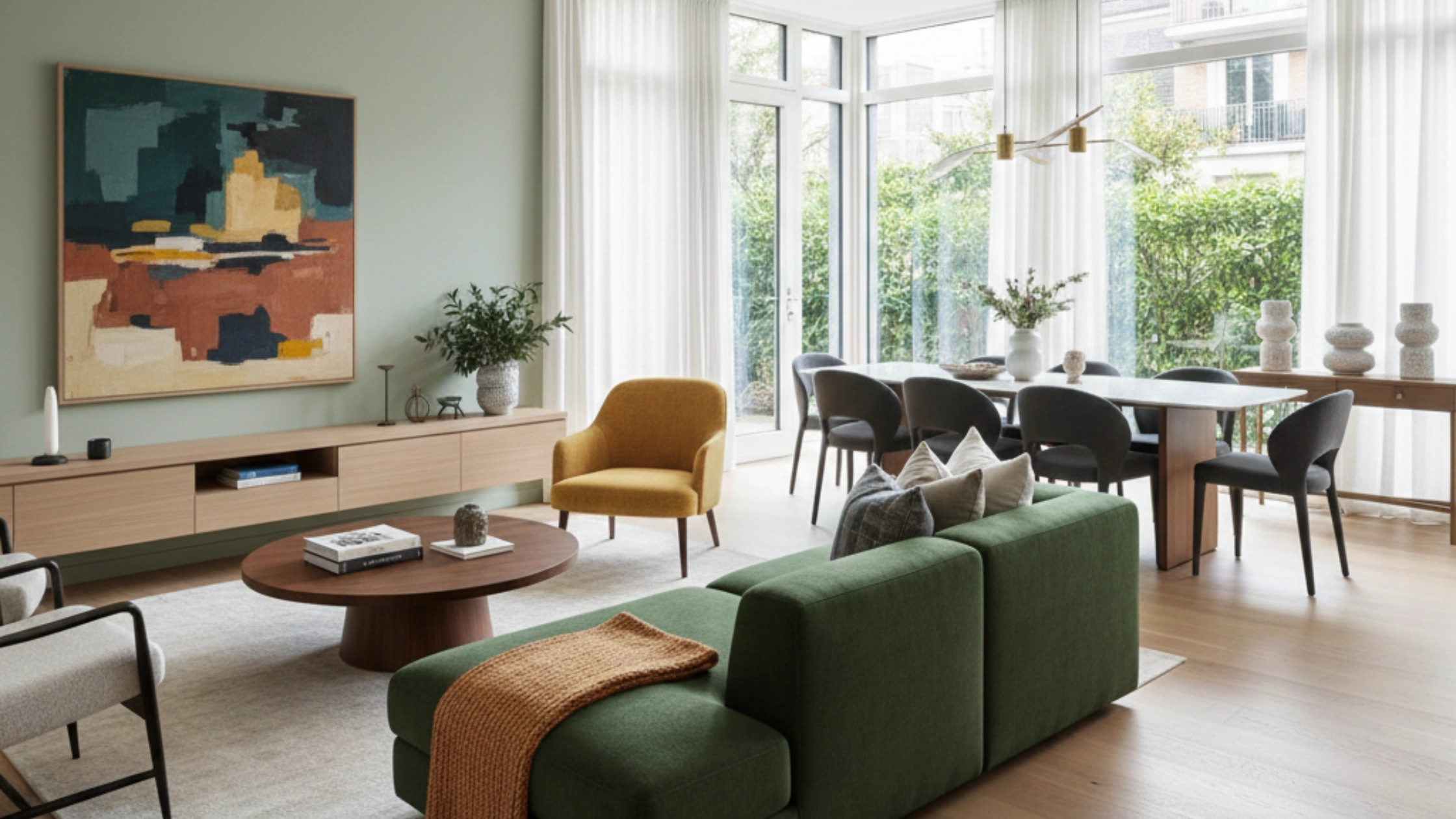
Comfort is the true measure of a well-designed home. In a city like Bangalore, where lifestyles are fast-paced and homes often serve multiple purposes, interior design plays a vital role in shaping daily comfort. From relaxed family moments to work-from-home routines, interiors must support how people actually live, not just how spaces look. Stonespire Architects works with homeowners who value comfort, functionality, and long-term usability as much as visual appeal. By blending thoughtful planning with refined aesthetics, Stonespire Architects creates residential interiors that feel warm, practical, and deeply liveable.
This blog explores how residential interior designers in Bangalore focus on comfortable living, what makes an interior truly functional, and how homeowners can approach interior design decisions with clarity and confidence.
Why Comfort Is the Core of Residential Interior Design
Residential interiors are different from commercial or display spaces. Homes must support rest, routines, relationships, and personal expression. Comfort goes beyond soft furnishings — it’s about how easily a home works every day.
Comfort-focused interior design helps by:
- Supporting natural movement and flow
- Reducing visual and physical clutter
- Improving lighting and ventilation
- Making daily tasks easier
A comfortable home quietly improves quality of life.
Residential Interior Designers in Bangalore and Their Role in Comfortable Homes
Professional interior designers in Bangalore focus on translating lifestyle needs into practical design solutions. Their goal is not to impress visually alone, but to enhance everyday living.
They support homeowners by:
- Understanding family routines and habits
- Planning layouts that reduce effort
- Choosing materials that feel pleasant and durable
- Coordinating design with execution
This approach ensures comfort is built into every decision.
Understanding Lifestyle Before Design Begins
Comfort starts with understanding how a household functions. Designers invest time in learning about the people who will live in the space.
This usually includes understanding:
- Family size and age groups
- Daily routines and schedules
- Work-from-home requirements
- Storage and organisation needs
Design choices rooted in lifestyle feel more natural and lasting.
Space Planning That Feels Easy to Live In
Space planning determines how comfortable a home feels. Poor layouts create frustration even in large homes, while good planning can make compact spaces feel generous.
Effective space planning focuses on:
- Logical furniture placement
- Clear circulation paths
- Defined zones without rigid separation
- Balanced proportions
Well-planned spaces reduce daily friction.
Balancing Aesthetics With Daily Practicality
Comfortable interiors do not sacrifice beauty — they balance it with practicality. Residential designers focus on designs that are visually calm and easy to maintain.
This balance is achieved through:
- Neutral, soothing colour palettes
- Simple, uncluttered layouts
- Durable materials for high-use areas
- Furniture scaled to the space
Good design feels effortless, not overwhelming.
Interior Design Services in Bangalore for Residential Needs
Professional interior design services in Bangalore offer structured support from concept to completion, ensuring comfort is maintained throughout the process.
These services typically include:
- Space planning and layout design
- Material and finish selection
- Lighting and storage planning
- Execution coordination and supervision
End-to-end services reduce stress for homeowners.
Material Choices That Enhance Comfort
Materials play a major role in how a home feels over time. Comfortable interiors use materials that are pleasant to touch, easy to clean, and suitable for daily use.
Material selection considers:
- Texture and warmth
- Durability and maintenance
- Climate suitability
- Budget alignment
Thoughtful materials make spaces feel welcoming.
Colour Palettes That Create Calm
Colours influence mood and comfort more than most homeowners realise. Residential interiors prioritise colours that feel restful and balanced.
Designers often recommend:
- Neutral base tones
- Soft accent colours
- Consistency across spaces
- Avoiding overly harsh contrasts
Calm colours help homes feel peaceful.
Lighting Design for Everyday Comfort
Lighting affects comfort throughout the day — from morning routines to evening relaxation. Good lighting design adapts to different needs.
Comfort-focused lighting includes:
- Ambient lighting for overall visibility
- Task lighting for work and reading
- Accent lighting for warmth
- Maximum use of natural light
Layered lighting supports comfort at all times.
Storage Planning to Reduce Daily Stress
Clutter is one of the biggest barriers to comfort. Residential interior designers integrate storage in ways that feel natural and unobtrusive.
Smart storage solutions include:
- Built-in wardrobes and cabinets
- Hidden storage in furniture
- Vertical storage usage
- Dedicated utility spaces
Good storage keeps homes organised and calm.
Kitchens Designed for Ease and Efficiency
The kitchen is one of the most frequently used spaces in a home. Comfortable kitchen design focuses on efficiency and ease of movement.
Kitchen interiors often prioritise:
- Logical work zones
- Easy-access storage
- Durable, easy-to-clean surfaces
- Comfortable lighting and ventilation
A well-designed kitchen reduces daily effort.
Bedrooms That Support Rest and Relaxation
Bedrooms should feel like personal retreats. Residential designers focus on comfort, privacy, and calm in these spaces.
Bedroom design usually includes:
- Comfortable furniture layouts
- Soft lighting options
- Soothing colour palettes
- Adequate storage without clutter
Restful bedrooms improve overall well-being.
Living Spaces Designed for Togetherness
Living rooms are where families relax and connect. Comfortable living spaces feel welcoming and adaptable.
Design considerations include:
- Comfortable seating arrangements
- Flexible layouts for different activities
- Visual warmth through textures
- Easy movement flow
These spaces support everyday interactions.
Budget Planning Without Compromising Comfort
Comfortable interiors don’t require excessive spending. Smart planning ensures comfort within realistic budgets.
Cost-conscious strategies include:
- Prioritising high-use spaces
- Choosing durable materials over trendy ones
- Avoiding unnecessary complexity
- Planning finishes early
Comfort comes from thoughtful choices, not excess.
Execution That Preserves Design Intent
Even the best designs fail without proper execution. Designers ensure that comfort-focused decisions are carried through during implementation.
Execution support includes:
- Regular site supervision
- Quality checks
- Vendor coordination
- Timely issue resolution
Good execution protects comfort and quality.
Avoiding Common Interior Design Pitfalls
Many homeowners face discomfort due to poor design decisions. Understanding interior design mistakes and how to avoid them helps prevent long-term frustration.
Common mistakes include:
- Ignoring storage needs
- Overcrowding rooms
- Poor lighting planning
- Choosing aesthetics over usability
Professional guidance helps avoid these issues.
Customisation That Feels Natural
Personal comfort varies from household to household. Customisation ensures interiors suit individual needs.
Custom design elements may include:
- Tailored storage solutions
- Bespoke furniture pieces
- Personal colour preferences
- Flexible layouts
Thoughtful customisation enhances comfort.
Communication and Collaboration With Designers
Comfortable interiors are achieved through close collaboration. Designers and homeowners must communicate openly.
Effective collaboration involves:
- Clear discussions about needs
- Regular progress updates
- Transparent decision-making
- Mutual trust
Good communication leads to better outcomes.
Long-Term Comfort and Value
Comfort-focused interiors continue to perform well over time.
Long-term benefits include:
- Reduced need for modifications
- Lower maintenance effort
- Better resale appeal
- Improved daily satisfaction
Comfort is a lasting investment.
Creating Homes That Feel Effortless to Live In
The best residential interiors don’t demand attention — they quietly support daily life. They adapt to routines, grow with families, and remain comfortable year after year.
Comfortable homes are:
- Easy to maintain
- Flexible in use
- Visually calm
- Thoughtfully planned
This is the true goal of residential interior design.
Frequently Asked Questions (FAQs)
-
What makes a residential interior comfortable?
Good space planning, proper lighting, smart storage, and practical material choices. -
Can comfortable interiors be achieved in small homes?
Yes, thoughtful planning makes even compact homes comfortable. -
How long does a residential interior project usually
take?
Most projects take 6–12 weeks after design finalisation. -
Is comfort-focused design more expensive?
Not necessarily — comfort comes from smart planning, not high cost. -
Do interior designers manage execution as well?
Many offer execution support and site coordination.
Conclusion
Comfort is the foundation of a happy home. In a city like Bangalore, where homes must support busy, evolving lifestyles, residential interior design should focus on usability, calm, and long-term ease. Stonespire Architects - house interior designers in Bangalore, approaches residential interiors with a people-first mindset, ensuring every design decision supports daily comfort and functionality. By combining structured planning with thoughtful design, Stonespire Architects helps homeowners create living spaces that feel warm, balanced, and truly comfortable to live in every single day.