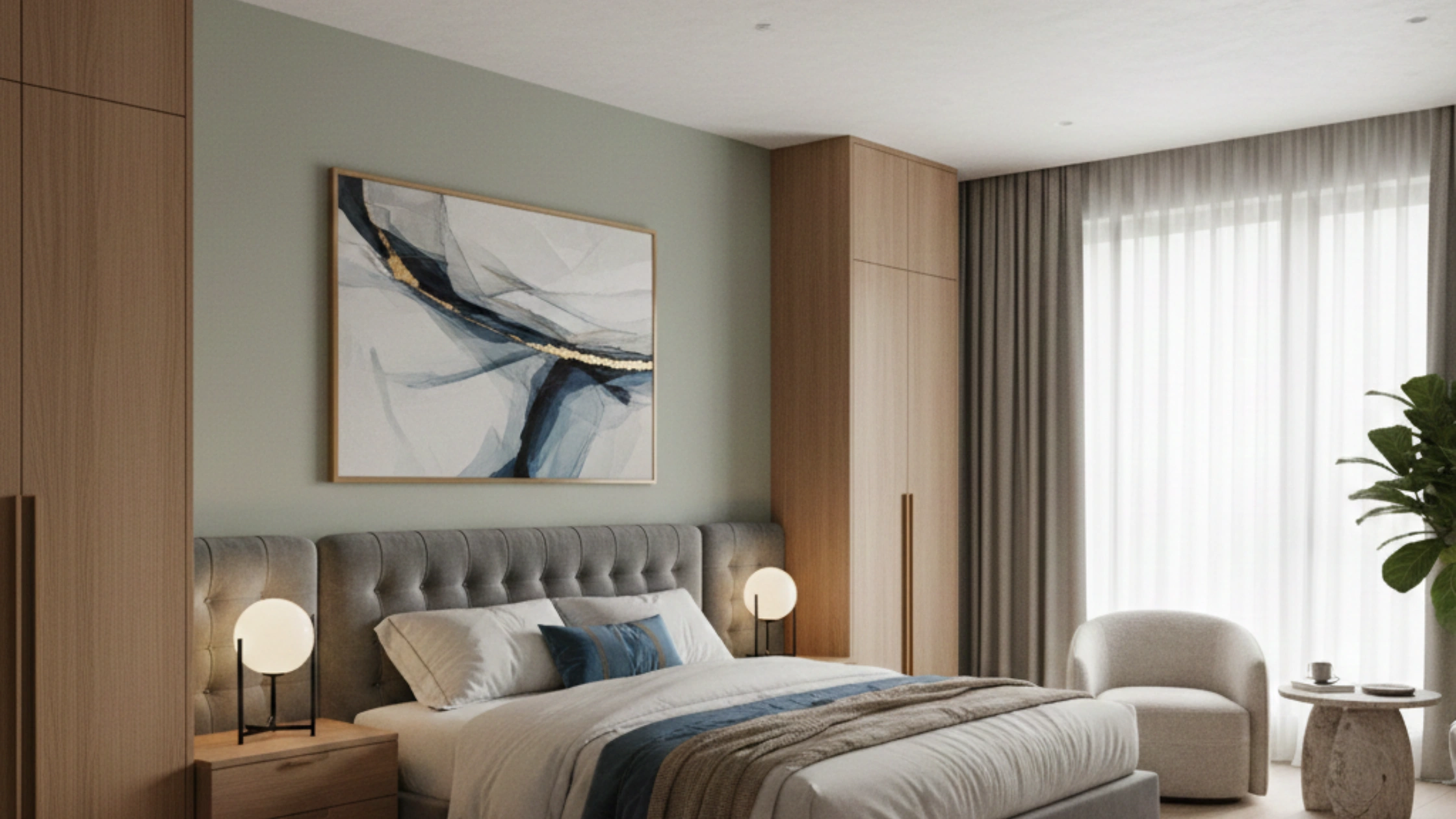
Modern living in Bangalore is constantly evolving. Homes today need to support multiple roles — personal comfort zones, work-from-home spaces, social hubs, and quiet retreats. With changing lifestyles, compact urban layouts, and growing design awareness, interior design has become essential rather than optional. Homeowners now look for interiors that are elegant, efficient, and deeply practical. Stonespire Architects works with individuals and families who want interiors that feel contemporary yet timeless, functional yet warm. By focusing on thoughtful planning and purposeful design, Stonespire Architects creates living spaces that genuinely enhance everyday life.
This blog explores how interior design services in Bangalore support modern living, what makes a well-designed home today, and how homeowners can approach interior projects with clarity and confidence.
Why Interior Design Is Central to Modern Living
Modern homes are no longer static spaces. They adapt to changing routines, growing families, and evolving work habits. Interior design plays a critical role in ensuring homes remain comfortable and relevant.
Good interior design helps by:
- Improving space efficiency
- Supporting multiple daily activities
- Enhancing comfort and movement
- Creating visual balance and calm
Design becomes a tool for better living, not just decoration.
Choosing the Right Interior Design Services in Bangalore
Selecting a professional interior design company in Bangalore is a key step in creating a successful modern home. The right company brings structure, experience, and accountability to the project.
A dependable design company offers:
- Clear design and execution processes
- Transparent cost planning
- Realistic timelines
- Strong coordination with vendors
This structured approach reduces uncertainty and stress.
Understanding Modern Living Requirements
Modern homes need to respond to lifestyle patterns rather than rigid room definitions. Interior designers begin by understanding how residents actually use their spaces.
Key considerations include:
- Work-from-home needs
- Storage requirements
- Privacy and openness balance
- Social and personal zones
Design decisions rooted in lifestyle feel more intuitive and lasting.
Space Planning for Contemporary Homes
Space planning is the backbone of modern interior design. It defines how rooms connect and how efficiently every square foot is used.
Effective space planning focuses on:
- Open yet organised layouts
- Flexible furniture arrangements
- Clear circulation paths
- Logical zoning of spaces
Well-planned homes feel spacious even within limited areas.
House Interior Designers in Bangalore and Their Expertise
Experienced house interior designers in Bangalore understand both design trends and practical living challenges unique to urban homes.
Their expertise helps with:
- Adapting designs to apartment layouts
- Selecting materials suited to daily use
- Managing local execution constraints
- Balancing aesthetics with practicality
This combination ensures smoother project outcomes.
Balancing Style With Everyday Function
Modern interiors should look refined without becoming difficult to maintain. Designers aim to strike a balance between visual appeal and usability.
This balance is achieved through:
- Clean, uncluttered layouts
- Durable yet elegant materials
- Practical furniture choices
- Minimal but impactful detailing
Simplicity often defines the most successful modern interiors.
Material Selection for Modern Homes
Materials influence how interiors age and how comfortable they feel over time. Modern design prioritises materials that are durable and easy to maintain.
Material planning considers:
- Wear resistance
- Cleaning and maintenance needs
- Texture and comfort
- Budget alignment
Thoughtful material choices reduce long-term upkeep.
Colour Palettes That Support Modern Aesthetics
Modern interiors often rely on calm, neutral palettes complemented by subtle accents. Colour choices affect mood and perception of space.
Designers typically focus on:
- Neutral base tones
- Soft accent colours
- Consistency across spaces
- Avoiding overly bold combinations
Balanced colours help homes feel calm and cohesive.
Lighting Design for Modern Living
Lighting defines how modern interiors are experienced throughout the day. It affects comfort, productivity, and ambience.
Effective lighting design includes:
- Ambient lighting for overall brightness
- Task lighting for work areas
- Accent lighting for depth
- Maximum use of natural light
Layered lighting enhances both form and function.
Storage Solutions for Urban Lifestyles
Modern living often comes with limited space. Smart storage planning is essential to maintain clean and organised interiors.
Designers integrate storage through:
- Built-in cabinetry
- Modular storage units
- Multi-purpose furniture
- Vertical space usage
Well-designed storage keeps homes clutter-free.
Kitchens Designed for Modern Routines
Kitchens are central to modern homes, serving both functional and social roles. Interior design ensures kitchens are efficient and inviting.
Kitchen design focuses on:
- Efficient work zones
- Smart storage systems
- Durable surfaces
- Comfortable movement flow
Modern kitchens support daily convenience.
Bedrooms as Personal Retreats
Bedrooms in modern homes are designed as calm retreats from busy routines. Design choices prioritise comfort and simplicity.
Bedroom interiors often include:
- Soft, neutral colour schemes
- Functional storage
- Comfortable layouts
- Controlled lighting
A restful bedroom improves overall well-being.
Living and Dining Areas for Flexible Use
Living and dining spaces in modern homes are designed to adapt to different needs, from relaxation to entertainment.
Design considerations include:
- Flexible seating layouts
- Open-plan integration
- Visual continuity
- Easy movement flow
These spaces become the heart of the home.
Budget Planning for Interior Design Projects
Modern interior design does not require excessive spending. Smart planning ensures maximum value within a defined budget.
Cost-effective strategies include:
- Prioritising high-use areas
- Combining custom and modular elements
- Avoiding unnecessary complexity
- Planning finishes early
Clear budgeting prevents surprises.
Execution and Project Coordination
Design ideas succeed only when executed properly. Designers coordinate with contractors and vendors to maintain consistency.
Execution support includes:
- Regular site supervision
- Quality checks
- Vendor coordination
- Issue resolution
This ensures designs translate accurately into finished spaces.
How Interior Designers in Bangalore Maximize Small Spaces
Understanding how interior designers in Bangalore maximize small spaces is essential for urban homeowners.
Design strategies include:
- Multi-functional furniture
- Open layouts with defined zones
- Light colour palettes
- Smart storage integration
These techniques make compact homes feel larger and more comfortable.
Avoiding Common Interior Design Mistakes
Many interior challenges arise due to rushed decisions or lack of planning.
Common mistakes include:
- Overcrowding rooms
- Ignoring storage needs
- Poor lighting design
- Choosing trends over usability
Professional guidance helps avoid these issues.
Communication and Client Collaboration
Modern interior design requires close collaboration between designers and homeowners.
Effective collaboration involves:
- Clear discussions
- Regular updates
- Transparent decision-making
- Mutual trust
Good communication leads to better results.
Long-Term Value of Professional Interior Design
Well-designed interiors offer benefits that extend beyond appearance.
Long-term advantages include:
- Improved daily functionality
- Lower maintenance costs
- Enhanced resale value
- Greater comfort
Interior design is an investment in quality living.
Creating Homes That Evolve With You
Modern living spaces should adapt to changing needs. Thoughtful design allows homes to evolve over time.
Flexible design ensures:
- Easy future modifications
- Timeless aesthetics
- Continued relevance
- Long-term satisfaction
This is the hallmark of good interior design.
Frequently Asked Questions (FAQs)
-
How long does an interior design project usually take?
Most residential interior projects take 6 to 12 weeks after design finalisation. -
Can modern interiors be created on a limited budget?
Yes, with proper planning and prioritisation, modern design can be cost-effective. -
Do interior designers manage execution as well?
Many designers provide execution and site coordination support. -
Are modern interiors suitable for small homes?
Absolutely. Modern design principles work especially well for compact spaces. -
Can interiors be customised to personal taste?
Yes, modern design allows flexibility and personalisation.
Conclusion
Interior design for modern living is about creating spaces that support comfort, efficiency, and individuality. In a fast-paced city like Bangalore, homes must be adaptable, functional, and visually balanced. Stonespire Architects approaches interior design with a focus on clarity, practicality, and timeless aesthetics. By combining structured planning with thoughtful design choices, Stonespire Architects - residential interior designers in Bangalore, helps homeowners create modern living spaces that feel comfortable today and remain relevant for years to come.