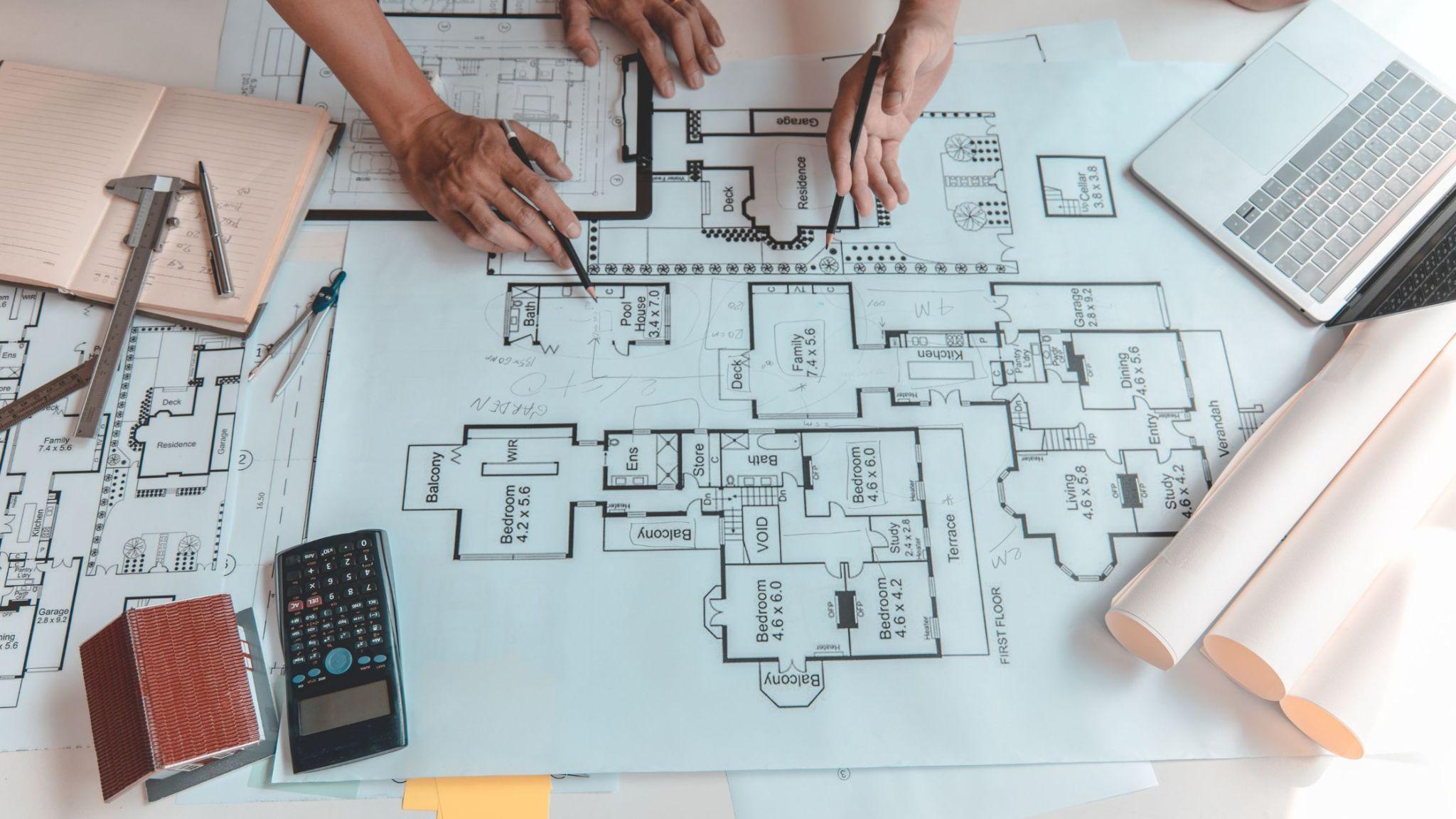
Bangalore, known for its booming real estate and rapid urban development, often poses a unique challenge for homeowners and architects alike—designing beautiful, functional homes on small plots of land. With land prices on the rise and availability becoming scarce in central and popular residential areas, small plots have become the norm. This has driven architects to be more creative and efficient in space planning and design. Leading firms like Stonespire Architects - best architecture company in bangalore are playing a key role in helping homeowners make the most of their limited land while still achieving their dream homes.
In this blog, we’ll explore how architects in Bangalore approach the challenge of designing homes for small plots. From smart space utilization and vertical expansion to incorporating natural light and maintaining privacy, we’ll break down the key strategies that turn compact spaces into stylish, livable homes.
Understanding the Site and Client Needs
The first step in designing for a small plot is to understand the site conditions thoroughly. Architects begin by analyzing the plot’s dimensions, orientation, access points, and surrounding environment. In Bangalore, where every inch of land counts, understanding zoning regulations, FAR (Floor Area Ratio), setbacks, and building by-laws is critical.
Equally important is understanding the lifestyle and preferences of the homeowners. Whether it’s a joint family needing multiple bedrooms or a nuclear family preferring open spaces, a good architect tailors the design to suit specific requirements while working within space limitations.
Smart Space Planning
One of the most important aspects of designing for a small plot is optimizing the available space. Architects use several techniques to ensure no space is wasted:
- Open floor plans: Combining living, dining, and kitchen areas into
a single open space helps the home feel larger and airier.
- Multi-functional furniture: Spaces serve dual purposes—such as a
study that converts into a guest room or a dining table that doubles as a
workspace.
- Compact yet efficient rooms: Instead of large, underused areas,
architects design each room to serve its function effectively without excess
space.
Smart space planning ensures that the house doesn't feel cramped despite its small footprint.
Vertical Expansion
Since horizontal space is limited, the natural solution is to build upwards. Multi-storey homes are a common design approach in Bangalore's small plots.
Architects often:
- Design G+1, G+2, or even G+3 floors depending on the plot size and FAR
regulations.
- Place social areas like the living room and kitchen on the ground floor.
- Keep private areas like bedrooms on upper floors.
- Incorporate internal staircases in a way that saves space and adds aesthetic
value.
This vertical stacking allows homeowners to enjoy more living space without violating local regulations.
Maximizing Natural Light and Ventilation
Small plots are often tightly packed between other buildings, which can restrict access to natural light and airflow. Architects overcome this by using clever design elements:
- Skylights and roof cutouts: These allow sunlight to enter the home
from above.
- Light wells and internal courtyards: Small open-to-sky areas within
the building help distribute light and improve ventilation.
- Large windows on the front and rear elevations: These ensure that
key rooms still receive sunlight.
Good architects ensure that even a compact home in a dense locality feels bright and breathable.
Use of Open Spaces and Terraces
Outdoor areas might seem like a luxury in small plots, but architects still find creative ways to incorporate them:
- Balconies: Even a small balcony connected to a bedroom or living
area adds a sense of openness.
- Terrace gardens: Rooftops are often converted into usable spaces
with greenery, seating, or even water features.
- Pocket gardens: Small planters or vertical gardens on walls help
bring nature into the home.
These open spaces enhance the lifestyle value of the home and contribute to overall well-being.
Incorporating Storage Solutions
Storage is crucial in any home, and even more so in compact ones. Architects plan storage into the design right from the beginning:
- Built-in wardrobes and cabinets to avoid bulky furniture.
- Loft spaces above doors or along walls.
- Under-stair storage for everyday items or utilities.
- Modular kitchens with high-efficiency cabinets.
By making storage an integral part of the design, clutter is minimized and the home remains functional and clean.
Creating Visual Spaciousness
Even a small home can feel large if it’s designed with the right visual techniques:
- Use of light colors: Whites, pastels, and neutrals reflect more
light and open up a space.
- Mirrors: Strategic placement of mirrors creates an illusion of
depth.
- Minimalist interiors: Clean lines and less furniture help avoid
visual congestion.
- Consistent flooring: Using the same flooring throughout adds a
sense of continuity.
Architects in Bangalore often blend these techniques to make compact homes feel expansive.
Addressing Privacy Concerns
In densely populated areas, maintaining privacy on small plots can be difficult. However, experienced architects use design tricks to solve this:
- Strategic placement of windows to avoid direct views from
neighbors.
- Use of screens, louvers, or jalis to allow light while blocking
sightlines.
- Zoning of spaces so that private areas (like bedrooms) are shielded
from public view.
These thoughtful layouts ensure a secure and private environment, even in crowded neighborhoods.
Vastu Compliance in Small Homes
Many homeowners in Bangalore prefer their homes to follow Vastu principles. Architects skillfully balance modern design with traditional guidelines, even on small plots:
- Orienting the house correctly according to the compass.
- Placing kitchens, toilets, and bedrooms in Vastu-approved zones.
- Integrating pooja rooms within the plan.
They maintain harmony without compromising on style or space.
Sustainable Design Practices
Sustainability is becoming a priority, especially in urban areas like Bangalore. Architects incorporate eco-friendly solutions such as:
- Rainwater harvesting systems.
- Solar panels on terraces.
- Energy-efficient lighting and appliances.
- Use of local and recycled building materials.
Even in small homes, sustainable features can reduce utility bills and promote environmental responsibility.
Customizing Elevation for Curb Appeal
Just because a house is on a small plot doesn’t mean it can’t have a beautiful exterior. Architects work on attractive façades to enhance the home’s street presence:
- Contemporary designs using glass, wood, and concrete
textures.
- Layered elevations with balconies and overhangs for depth.
- Creative lighting and color schemes to give the home a unique
identity.
This not only adds aesthetic value but also increases the property’s resale potential.
Adapting to Bangalore’s Climate
Bangalore's moderate climate allows for year-round comfortable living, but architects still take weather into account:
- Shading devices to block harsh sun in the afternoon.
- Sloped roofs or waterproofing for the monsoon season.
- Cross ventilation to deal with warm summer days.
These climate-responsive elements make the home more livable and energy-efficient.
Using Technology and 3D Visualization
Many architects now use advanced software tools to present their ideas to clients, especially for small plots where visualization is key:
- 3D floor plans and walkthroughs help clients understand the use of
space.
- Virtual design tools allow easy customization and quick
revisions.
- Building Information Modeling (BIM) is used to manage projects
efficiently.
This tech-driven approach ensures transparency, precision, and client satisfaction.
Budget-Conscious Design
Small plot owners are often working with tight budgets. Good architects know how to deliver high design value without overspending:
- Using cost-effective materials that look premium.
- Simplifying structural elements to reduce construction costs.
- Prioritizing essential spaces and trimming non-essentials.
Budget planning is done early in the process to avoid financial stress later.
Conclusion
Designing a home on a small plot in Bangalore is no easy task, but with the right architect, it’s entirely possible to create a space that’s both stylish and functional. It’s all about smart planning, vertical design, clever use of light and materials, and a deep understanding of the homeowner’s lifestyle.
Stonespire Architects has consistently delivered innovative solutions for small plots, proving that limitations in size don’t have to limit your dream. With their experience, eye for detail, and creative use of space, they transform compact plots into beautiful, personalized homes.
If you’re working with a small piece of land, trust experts like Stonespire Architects to help you maximize every square foot. From designing open, airy interiors to integrating storage and sustainability, they ensure that no opportunity is wasted.
A great home doesn’t depend on size—it depends on design. And when it comes to smart, efficient, and inspiring design in Bangalore, Stonespire Architects is a name you can rely on. Contact us today to get started on designing a space that truly makes the most of what you have.